
Giving Pre-Loved a new life

Ep 2: Kashi from Yam Studios Shares How To Live Within the Minimalist Aesthetics

Some people think minimalism is about owning one fork and pretending it’s a personality. Kashi, Founder of Yam Studios, very politely disagrees. In this episode, we cracked open what “minimalist living” actually looks like when you’re not staging a showroom — when you’re designing real spaces for real human beings with real chaos, real emotions, and, yes, real stuff. This wasn’t a conversation about beige walls and sparse shelves. It was about harmony, intention, boundaries, and the quiet confidence that great spaces give you. And honestly? It’s the kind of perspective the design world needs more of.
Meet Kashi — the Mind Behind Yam Studios
If you’re into design, you’ve probably stumbled across Yam Studios without even realising you’ve been quietly influenced by their world. Kashi has built a studio that feels like the architectural version of a deep exhale — calm, refined, minimal without trying too hard. Her work is clean, grounded, and surprisingly human. She doesn’t design “aesthetic rooms”; she designs emotional environments. And she has this gift of talking about design in a way that makes you rethink your own home instantly.
But here’s the kicker: she doesn’t romanticise the job. She tells the truth — the builders, the clients, the delays, the unexpected drama, the diplomacy. That mix of beauty and brutal honesty is why this episode hits differently.
When Minimalism Meets Real Life (And Real People)
One of the biggest myths in design is that minimalism equals empty. According to Kashi, that couldn’t be further from the truth. Peaceful spaces aren’t made by subtracting everything; they’re made by choosing with intention. The goal isn’t to remove life from a room — it’s to remove noise.
She walked me through how she thinks about proportion, flow, texture, and balance in everyday environments. Not as rigid rules but as a framework to support the way someone actually lives. Minimalism isn’t about perfection. It’s about clarity. Which explains why her projects feel lived-in yet elevated — the aesthetic equivalent of exhaling after a long week.
And then she said something that stuck with me:
“Every design project is basically a relationship.”
She wasn’t joking.
There’s the client — with their hopes, Pinterest boards, and occasionally unrealistic timelines. There are the builders — battling unexpected site conditions, schedules, and their own creative opinions. And then the suppliers — delayed shipments, wrong finishes, last-minute substitutions… the whole dramatic ecosystem.
According to Kashi, managing a design project requires the emotional toolkit of someone navigating a romantic relationship: communication, boundaries, patience, compromise, and the ability to not lose your mind when someone changes their mind. Again.
Owning Your Strengths (And Your Blind Spots)
Another thing I appreciated? Kashi doesn’t pretend designers are superhumans. She openly talks about knowing what you’re good at, where you struggle, and how crucial it is to acknowledge both.
Designers often feel pressure to deliver perfection — visually, operationally, emotionally. But the truth is, the best results happen when the designer leads with both skill and honesty. When they say: Here’s what I can do incredibly well — and here’s where I’ll bring in support.
It’s refreshing. And frankly, it’s leadership.
Zooming Out: Why This Matters in Today’s Design Landscape
We’re living in a moment where interiors are either hyper-styled for social media or sold as hyper-functional minimalism with zero personality. And consumers are confused. Trends are loud. Messaging is contradictory. The aesthetic pendulum swings faster than people can finish a renovation.
What Kashi brings to the table — and what more of the industry needs — is nuance.
Minimalist design isn’t disappearing. It’s maturing. It’s becoming less about “less” and more about thoughtful editing. Less performance, more presence. Less empty, more intentional. Spaces that feel peaceful because they’re designed with care, not because they’ve been stripped bare.
It fits beautifully into the broader shift we’re seeing: people aren’t asking, “How do I make my home look perfect?” They’re asking, “How do I make my home feel like mine?”
Practical Takeaways You Can Actually Use
Here’s what stuck with me — and what anyone listening (or reading) can steal:
- Minimalism isn’t about emptying your space — it’s about elevating your essentials.
Start by asking what matters, not what needs to go. - Your home should feel like a relationship you want to stay in.
Comfort, clarity, and emotional ease matter more than trends. - Creative work is 50% design, 50% people management.
The better you understand the humans involved, the smoother the build. - Know your strengths — and your blind spots.
It’s not weakness. It’s strategy. - The “peaceful vs. empty” test works every time.
If a room feels hollow, it’s not minimalist — it’s unfinished.
My Founder Takeaway — and Why This Conversation Matters at Redeco
Talking to Kashi reminded me why I built Redeco in the first place. Great design isn’t about perfection or curation for the sake of aesthetics. It’s about supporting the way people truly live — and helping them create spaces that feel intentional, grounded, and personal. Minimalism, maximalism, something in between… it only works when it works for you.
At Redeco, we’re trying to solve the overwhelm of furnishing a home and bring the joy back into discovery. Conversations like this validate that design can be both beautiful and deeply human. And that’s exactly the world we want to help people build — one thoughtful piece at a time.
Further Links
Listen to the episode:
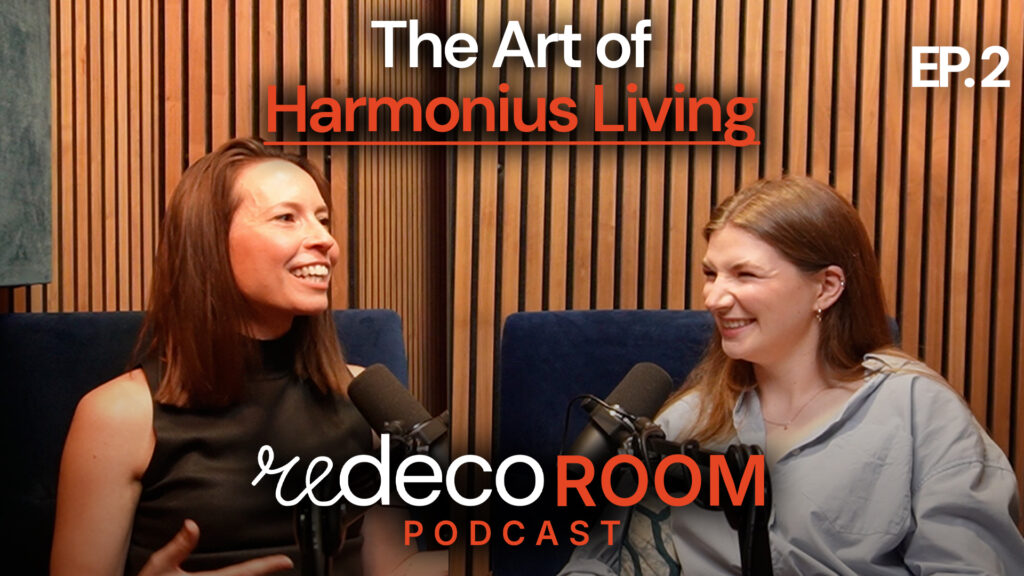
Youtube: Ep 2: Kashi from Yam Studios Shares How To Live Within the Minimalist Aesthetics
Redeco:
• Website: https://redeco.app/
• Instagram: https://www.instagram.com/redeco.app/
• TikTok: https://www.tiktok.com/@redeco.app
Guest — Yam Studios:
• Website: http://yam.st/
• Instagram: https://www.instagram.com/yamstudios/